



Nonprofit Leaders: Don’t Forget You’re Running A Business!
Jayme Dingler
Hello, fellow nonprofiteers! I am Jayme Dingler, owner of What’s Good, LLC, author of The Itty Bitty Book of Nonprofit Fundraising, and host of What’s Good Wednesday, a weekly segment on Radio Chesapeake that celebrates good news from local nonprofit organizations. It is my extreme pleasure to share the first in a monthly series of articles geared towards the Mid-Shore nonprofit community.
One of the things that makes the Shore so wonderful – aside from our beautiful surroundings – is the unbelievable generosity of the people who live here. At the heart of all this philanthropy are hundreds of incredible nonprofit organizations, touching nearly every aspect of our daily lives.
Nonprofits are led by caring, compassionate, and committed people who put superhuman energy into fulfilling vital missions and making our community a better place. Sometimes, though, the drive to fulfill the mission can mean overlooking one of the most important factors to an organization’s success. Nonprofits aren’t just in the feel-good business – they are businesses.
Just like every other business, nonprofit organizations need to arm themselves with policies and procedures that will protect them from personnel, reputational, financial, or legal risks down the road. It can be difficult to think of these things when an organization is in its infancy, and these types of consequences seem very far down the road. Energy and capacity end up being focused on getting the mission up and running, and then on growing to better serve the community. Before you know it, you are a large, well-known organization with a large staff, hundreds of donors, and no written policies and procedures to protect what you have built.
Nonprofits don’t have stockholders, but they do have donors. These generous people are making an investment in your mission, and while they don’t get personal financial returns in exchange for this investment, they do expect to see a return in the form of poverty reduction, environmental conservation, history preservation, etc. When they invest in your mission, they expect to see their dollars make an impact.
Just as publicly traded companies have a fiduciary duty to their stockholders, nonprofits have a responsibility to be good stewards of their donors’ funds. It is the job of your Board of Directors to develop a series of written policies that govern:
- Legal and Compliance Issues
- Human Resources Topics
- Board Code of Conduct
- Communications
- Financial Decisions and Fiscal Oversight
- Fundraising
- …and more
Key staff, who are in tune with the day-to-day operations of your organization, should also play a large role in the development of these policies. They will then be in charge of implementing many of them, with the board providing oversight, so they can provide valuable information and feedback during the policy writing process.
Aside from your fiduciary duty to your donors, another reason this practice is so important is that there is a lot of turnover in nonprofit organizations. Board members have term limits, which means new leadership comes in and out, sometimes on an annual basis. There is often a lot of change in some staff positions as well. Written policies and procedures establish expectations for the present and future of your organization. They also provide consistency for your leadership and your operations. Once you set your policies and procedures, your focus can go back to fulfilling your mission, rather than leaving the potential for upheaval and change every time new people come on board.
If the idea of paperwork makes your eyes glaze over, you are not alone. I wanted to be a rock star when I was a kid, but instead I grew up to be someone who writes articles about the importance of putting things in writing. Go figure!
Unfortunately, paperwork is a necessary evil. It could mean the difference between your organization achieving longevity, or just doing some good for a couple of years and then fading out of existence. It is best to put these policies and procedures in place as soon as possible. Then you can always review and amend them periodically as your organization grows and changes.
If you are looking for a great resource to help you discover which policies your organization may be missing, check out this comprehensive checklist from Impact 8. As I specialize in helping organizations with marketing and fundraising, I have also put together some fundraising policy templates, which are available on my website.
It might not be glamorous, but policies and procedures are fundamental to being able to successfully fulfill your mission. Go back to the board room and get all the paperwork out of the way so you can strengthen your business, and then get back to the business of doing good!


You Might Also Like:

FEATURED PARTNER
Waterfowl Festival
55th Waterfowl Festival is November 13-15, 2026, in Easton, Talbot County. Discover the best of local wildlife, nature, art, heritage, food, and FUN at the annual Waterfowl Festival. Over a dozen venues spread throughout the town entice and engage visitors to explore the area and be a part of a tradition that has been going strong for generations.
Info

FEATURED PARTNER
Attraction Magazine: THE OFFICIAL GUIDE FOR WATERFOWL FESTIVAL
The guide will be available to an anticipated 35,000 attendees during the 3-day event, November 13-15, 2026.
Deadline for final ads and content is October 5, 2026
For rates and information, contact Debbie via email at debbie@attractionmag.com
Info
FEATURED PARTNER
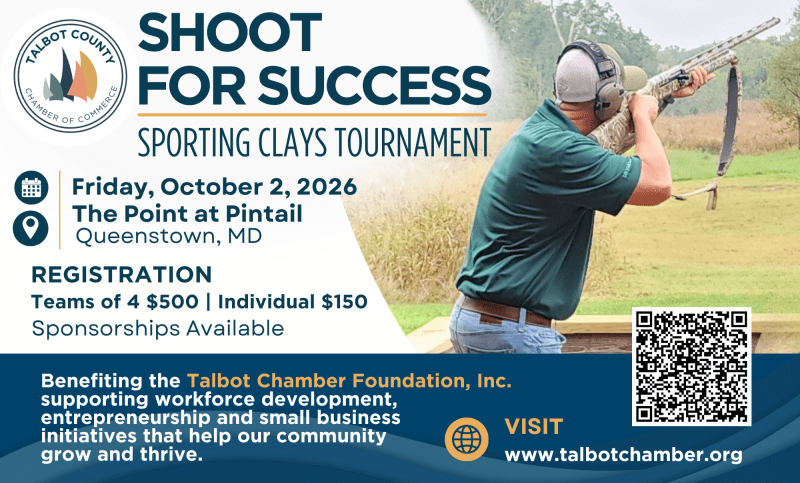
SHOOT FOR SUCCESS - Chamber Sporting Clay Tournament
Join the Talbot County Chamber on Oct. 2, 2026, at The Point at Pintail for annual Shoot for Success Sporting Clays Tournament. Proceeds benefit the Talbot Chamber Foundation, Inc., initiatives that help strengthen the business community and talent pipeline.
Info
SHARE
PRINT