



Leading With Intention
Tracey F Johns
Academy Art Museum’s new director is building on her legacy by asking one simple question: Why?
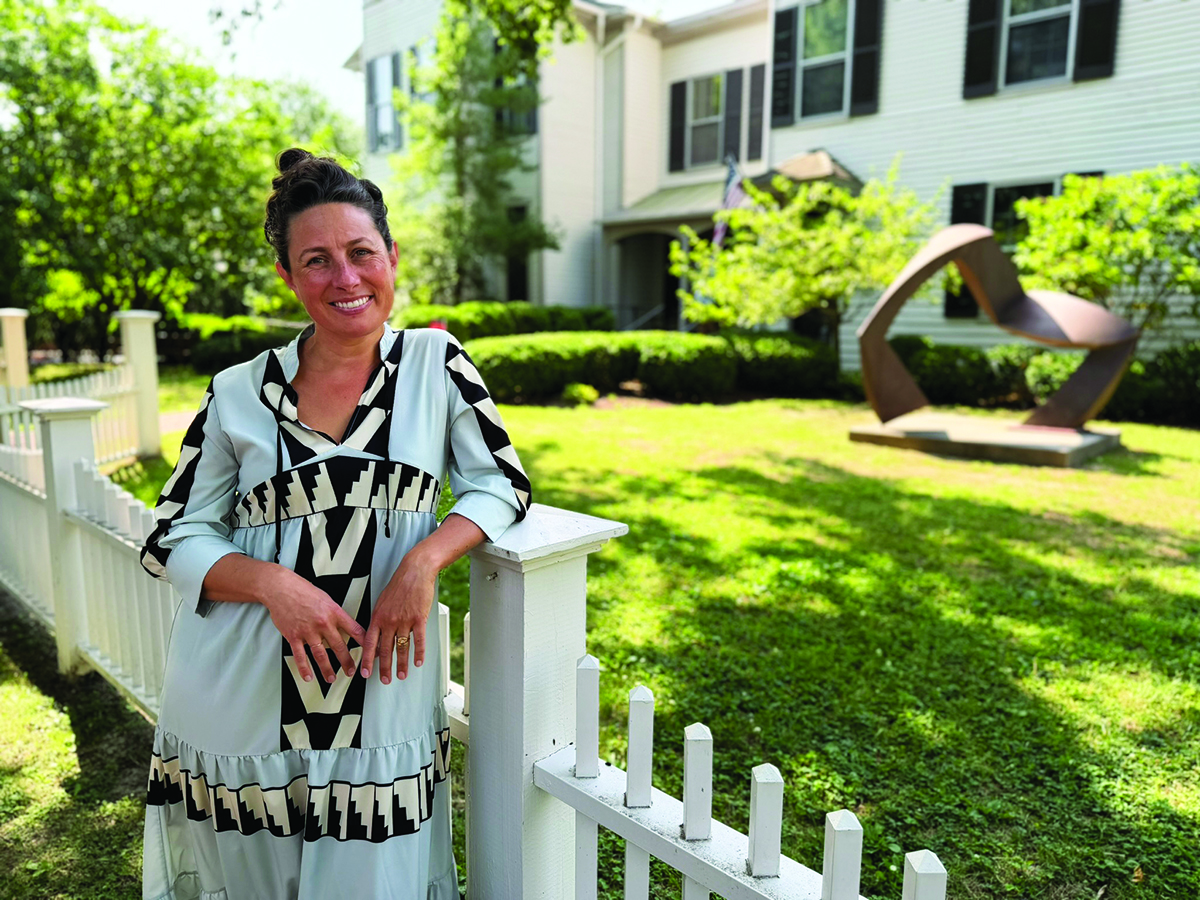
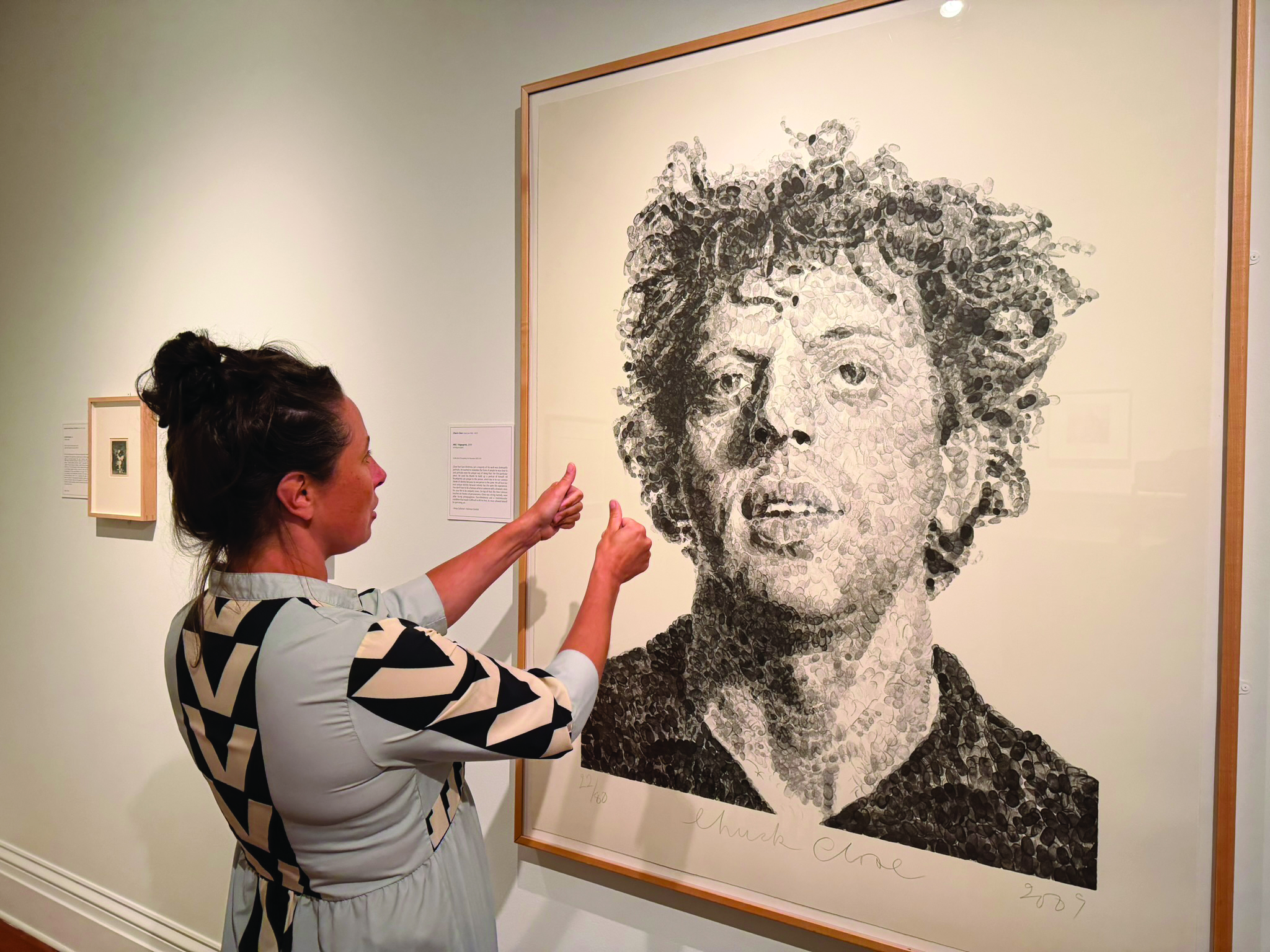
Charlotte Potter Kasic pauses in front of a photograph hanging inside the Academy Art Museum’s newest exhibition.
She doesn’t begin by talking about the photographer. Or the date. Or the technique.
She starts with the question that has quietly become the philosophy behind nearly every decision she makes.
“Why is it a photograph and not a painting? Why is it this medium?” she asks. “I like it when the material has meaning and is intentional.”
That word surfaces again and again during our conversation.
Intentional.
The word isn’t a buzzword. Intention is how the Academy Art Museum’s director approaches exhibitions, education, partnerships, preservation, fundraising, and community.
Eighteen months into her leadership, Kasic isn’t trying to reinvent one of the region’s most respected cultural institutions.
She’s trying to make every decision matter.
“I hope people see an intentionality emerge,” she says. “I hope people start to realize it’s not scattershot what’s happening here.”
The Academy Art Museum has spent nearly seven decades becoming woven into the fabric of Easton and the national art scene.
Founded by artists and collectors in 1958, it has evolved into an accredited museum offering nationally recognized exhibitions, classes, concerts, lectures, preschool programs, and educational opportunities for all ages.
For Kasic, that history was one of the biggest reasons she accepted the position.
Unlike previous leadership roles, where she helped launch entirely new institutions, arriving at the Academy meant inheriting something already deeply rooted.
“It has this beautiful history,” she says. “Starting things from scratch versus stepping into history and legacy are totally different things.”
Originally from rural Vermont, Kasic spent years in Virginia Beach, where she served as the founding director of the Chrysler Museum Glass Studio before leading the Barry Art Museum at Old Dominion University. Yet she says the Eastern Shore felt like something more permanent.
“I grew up in a rural community, and I love rural communities,” she says. “Virginia Beach felt like a chapter. This felt like it could be the end of the book.”
That sense of place has become central to her leadership.
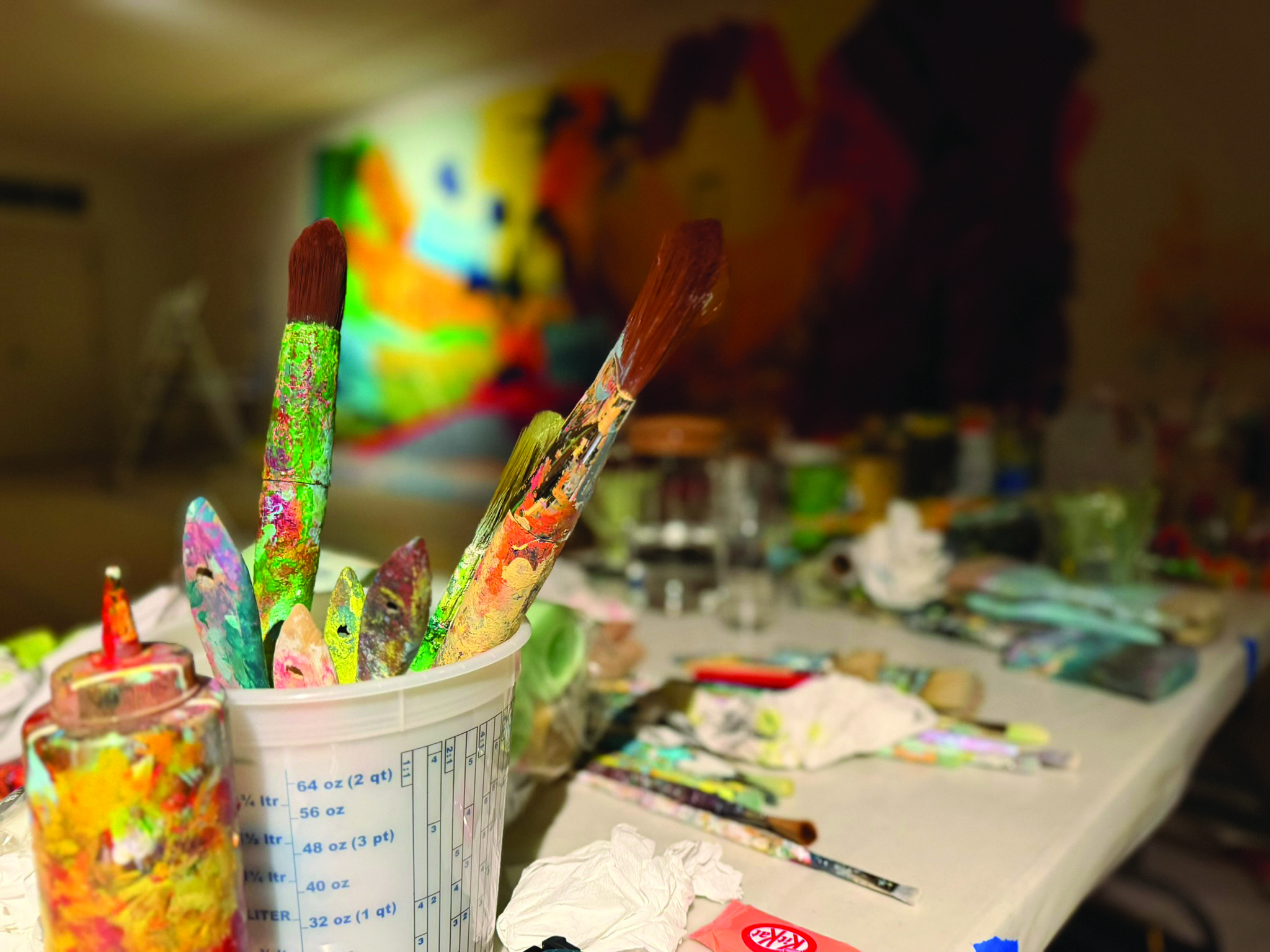
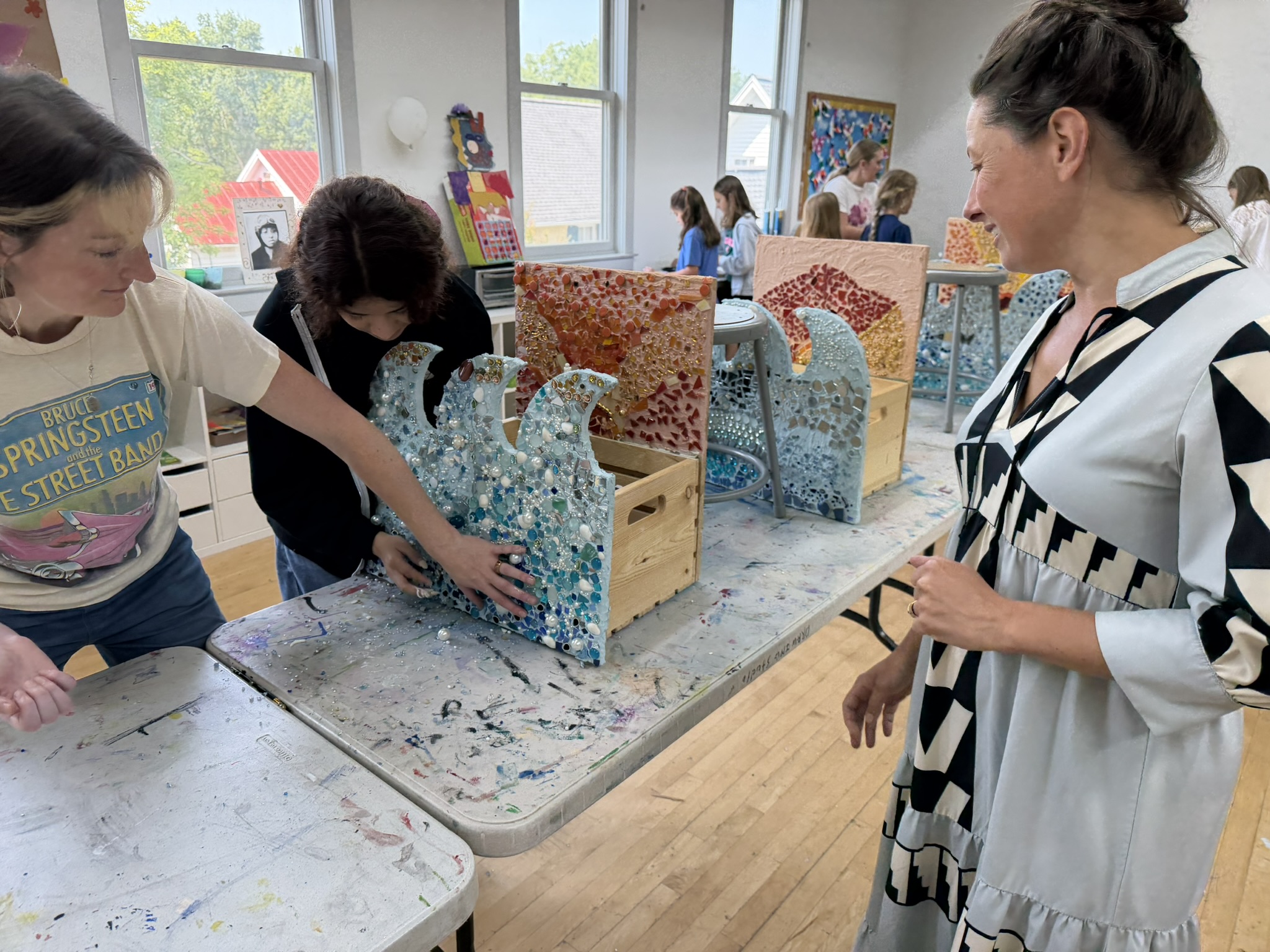
During a tour of the museum, Kasic moves effortlessly between galleries, classrooms, storage spaces, and construction zones. Upstairs, children are painting in summer art classes.
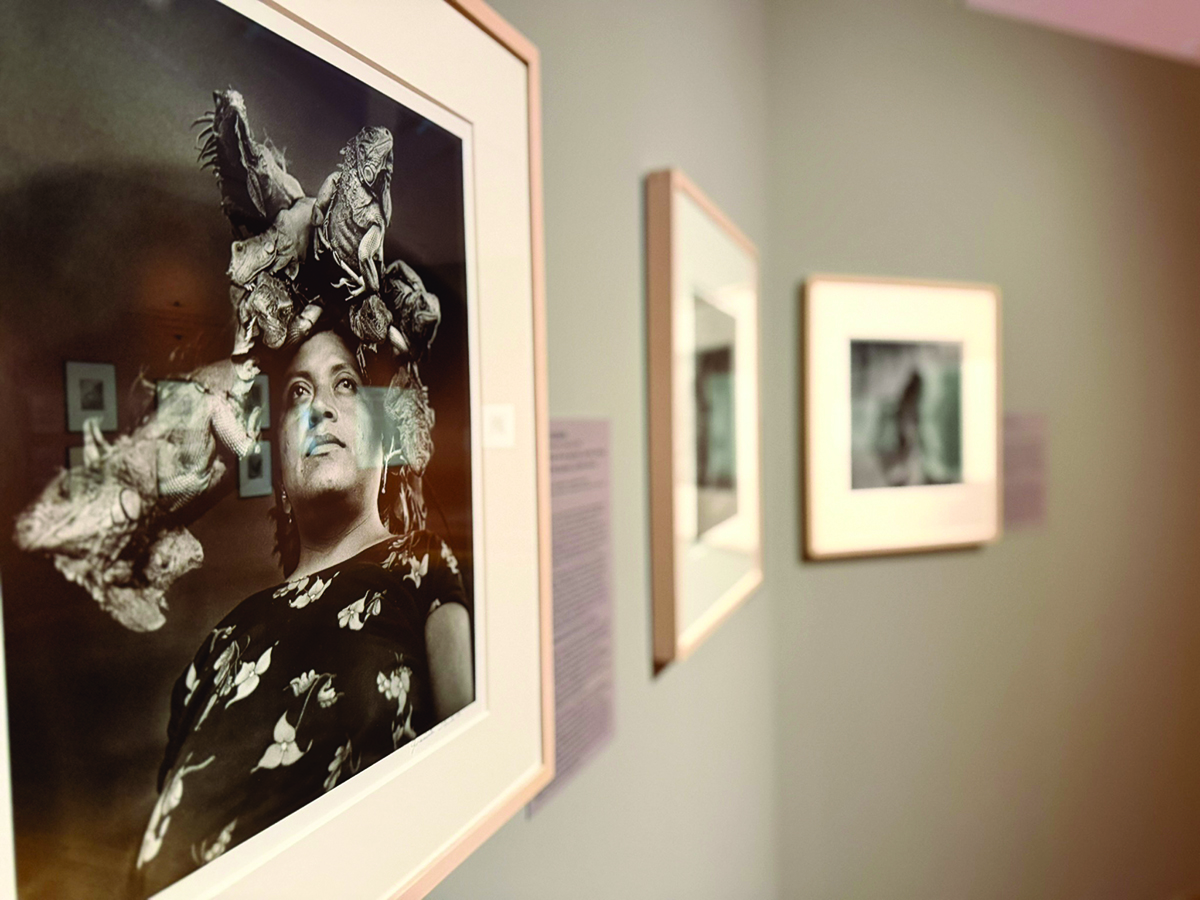
Downstairs, guests explore Under the Mexican Sky: A Revolution in Modern Photography, paired with contemporary photographs documenting today’s U.S.-Mexico border.
Nothing, she explains, stands alone.
The museum now organizes exhibitions around overarching seasonal themes that connect galleries, artists, and time periods.
Current exhibitions explore the concept of “We the People,” examining American identity through both historic and contemporary perspectives. This fall, the focus shifts to landscapes with Sea to Shining Sea, pairing 1850-1950 American landscape paintings with Works Progress Administration-era prints.
“We’re passionate about creating opportunities for discovery,” Kasic says. “Hopefully, people recognize there’s a thread between all the exhibitions on view and start to explore the unspoken juxtapositions.”
That same philosophy extends beyond exhibitions.
As a professional glass artist, Kasic spent years working in studios where collaboration wasn’t optional.
“You never blow glass by yourself,” she says. “Everybody knows their role on the team, but everybody has a voice in it.”
She has brought that same collaborative approach to museum leadership.
Exhibitions emerge from conversations among curators, educators, artists, and community partners. Programs increasingly intersect with organizations throughout Talbot County, from the Waterfowl Festival and Talbot Interfaith Shelter to Talbot Mentors, Shore Lit, the Frederick Douglass Honor Society, and Building African American Minds.
One of the moments that most affirmed the community’s centrality to the work came during this year’s student art exhibition.
“It was a beautiful cross-section of the community,” Kasic says. “You see the farmers, the watermen, the kids, the parents. It uplifts the voices of the next generation of makers and often gives them their first realization that they’re artists.”
She remembers seeing young artists encounter their work hanging in a museum for the first time.
“It’s very affirming,” she says.
Another defining experience came from the Museum’s annual Juneteenth celebration.
“The Academy Art Museum and the Hill Community have a deeply intertwined history,” she says. “This is a serious responsibility rooted in this shared history.”
She says this past June’s celebration marked the 16th year the Academy has hosted it and reinforces the museum’s physical connection to The Hill, Easton’s historic African American neighborhood.
“Our campus is quite literally extending into The Hill,” she says. “Their history is our history.”
That understanding now reaches beyond programming.
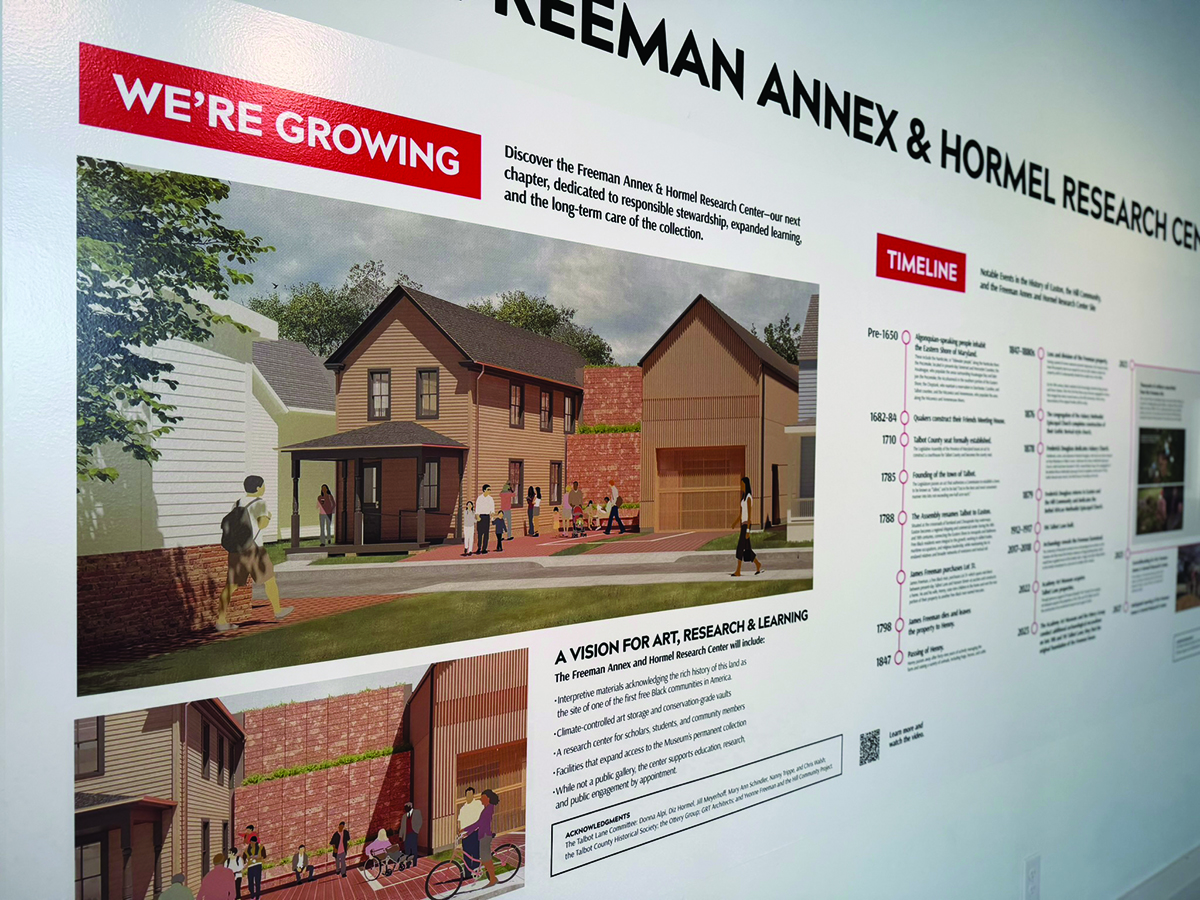
Just steps from the museum, construction is underway on the Freeman Annex and Hormel Research Center. This project began as expanded collections storage but has since revealed something much larger.
The property had once belonged to the Freeman family, among the first landowning free African Americans on The Hill.
Rather than demolish the historic home, the museum stopped, researched, and preserved it.
Archaeological excavations uncovered roughly 6,000 artifacts, from farming tools and household objects to marbles, sewing equipment, and personal items that tell everyday stories.
Those discoveries will eventually become permanent interpretive displays in the new courtyard, connecting guests to the neighborhood’s history.
“We’re trying to preserve the soul,” Kasic says.
That same long view shapes some of the museum’s less visible work.
The Academy recently began a $2.2 million HVAC renovation while continuing restoration of its historic campus. Like many nonprofit cultural institutions, it depends on philanthropy for much of its work.
“Museums are, in many ways, a social experiment,” Kasic says. “They exist because the public believes in them and invests in them. We aren’t sustained by government funding; we’re sustained by our community’s trust. People show up for this place, and that support is everything.”
Guests often assume admission fees support the museum. Instead, the Academy offers free admission for everyone, which means ongoing fundraising remains essential.
“The limited earned revenue we receive is through memberships, class tuition, event rentals, and the gift shop,” Kasic says. “88% of our operating costs we need to fundraise for annually.”
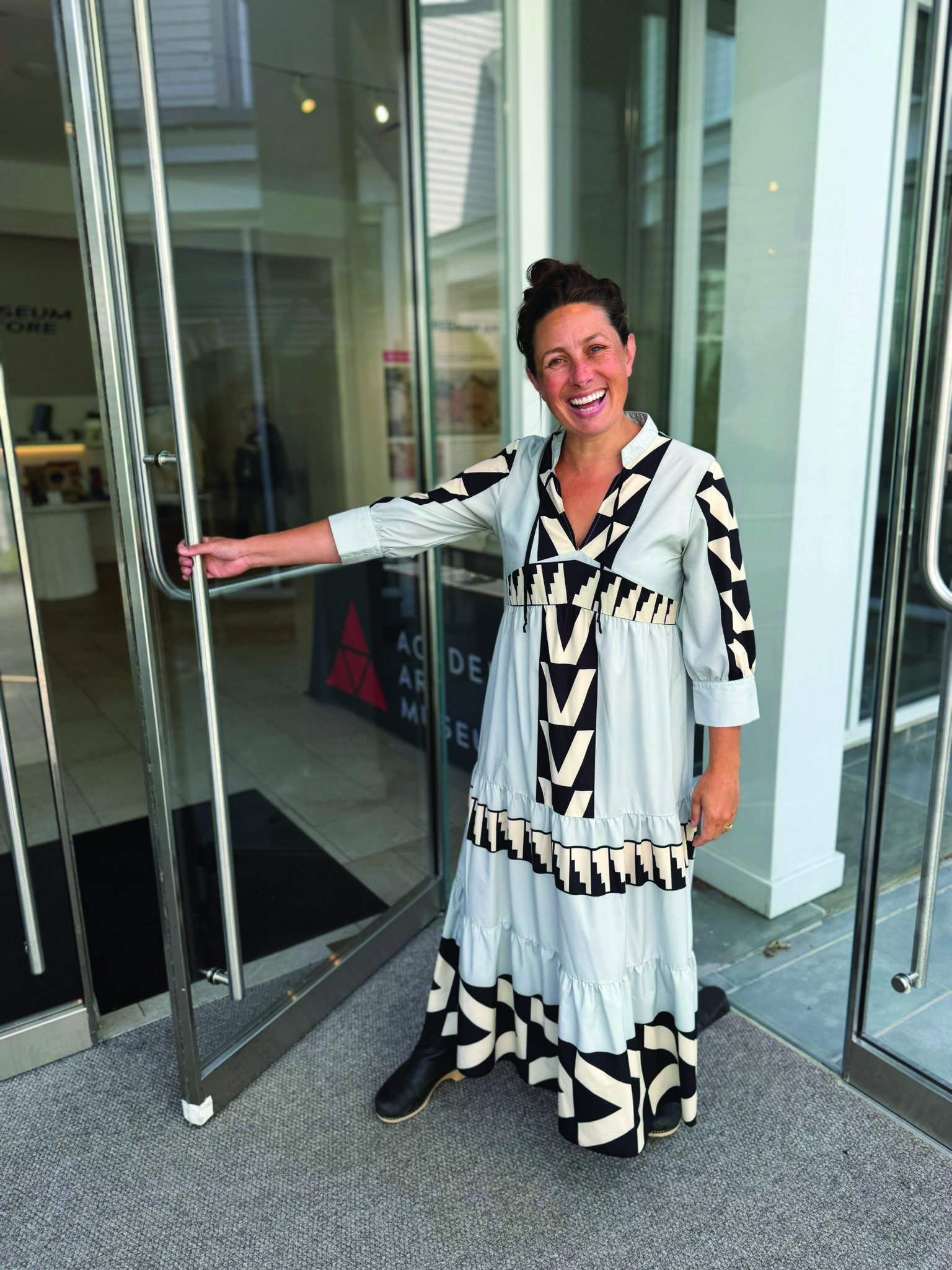
That reality is why she encourages guests to think beyond simply walking through the front doors.
Memberships, donations, class participation, and attendance all help sustain an institution that belongs to the community itself.
Still, Kasic knows the museum’s biggest barrier isn’t financial.
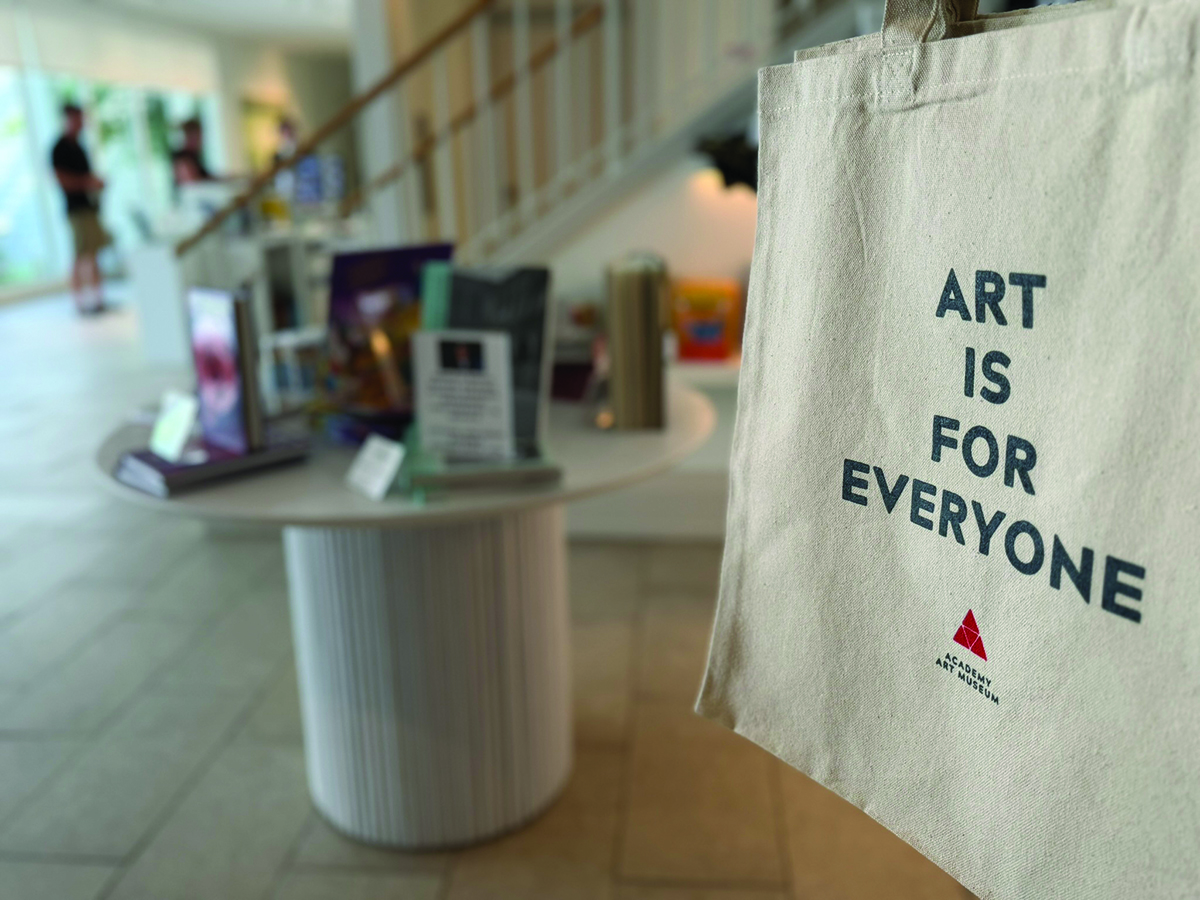
It’s the perception that a museum isn’t for everyone.
“I think one misconception is that it’s not for everyone,” she says. “Any time you step into an institution, whether it’s a library, a church, or a museum, it can feel intimidating.”
She wants guests to discover that engagement doesn’t require expertise.
Someone might wander through an exhibition. Another might attend a lecture, take a pottery class, or meet an artist. Young families can connect through the museum’s youth education and preschool programs, which help meet an important community need for early childhood arts education.
To ensure those opportunities remain accessible, financial aid is available for families who need it. Others come to spend an hour surrounded by creativity.
“You can choose the level of engagement,” Kasic says. “It’s all interconnected.”
As our conversation winds down, I ask what she hopes people will say about the Academy Art Museum a few years from now.
Her answer circles back to the word that quietly framed our entire visit.
“Intentional,” she says. For Kasic, it isn’t about controlling outcomes.
Intention, she says, is to make sure every exhibition, every partnership, every restoration project, every class, and every conversation begins with purpose.
Why this exhibition? Why this program? Why this story?
The answers, she believes, shape not only the museum but also the community it serves.
And perhaps that is the Academy Art Museum’s quiet revolution.
Not simply showing people art but helping them see the intention behind it.
Perhaps the only way to understand that intention is to experience it yourself.
The Academy Art Museum is open 10 a.m. to 7 p.m. on Tuesdays and Thursdays, and 10 a.m. to 4 p.m. on Wednesdays, Fridays, Saturdays, and Sundays. Learn more at www.academyartmuseum.org.
You Might Also Like:
FEATURED PARTNER
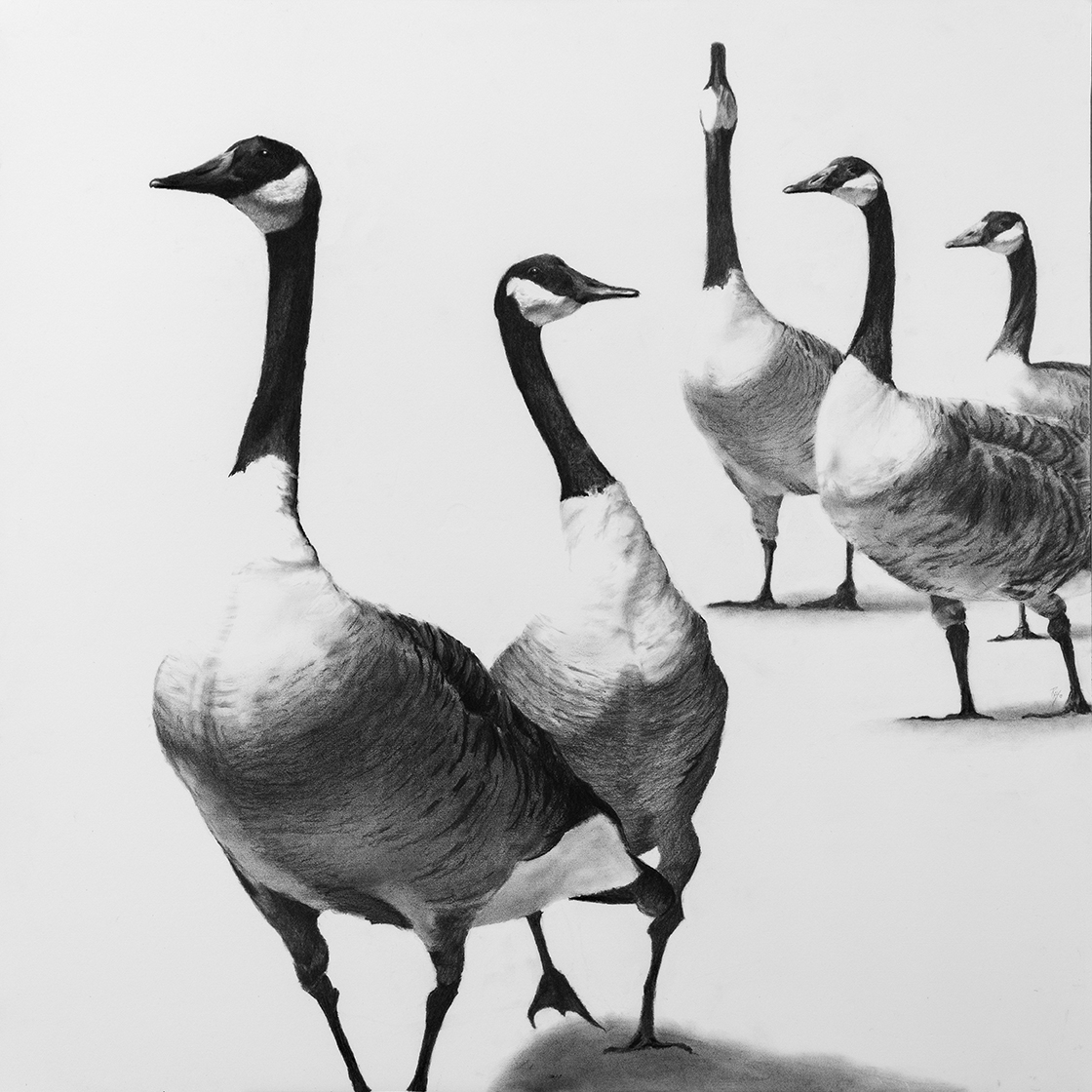
Attraction Magazine: THE OFFICIAL GUIDE FOR WATERFOWL FESTIVAL
The guide will be available to an anticipated 35,000 attendees during the 3-day event, November 13-15, 2026.
Deadline for final ads and content is October 5, 2026
For rates and information, contact Debbie via email at debbie@attractionmag.com
Info
FEATURED PARTNER
Waterfowl Festival
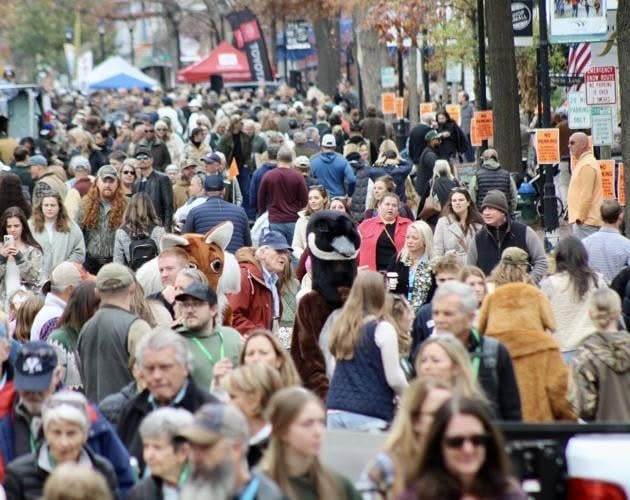
55th Waterfowl Festival is November 13-15, 2026, in Easton, Talbot County. Discover the best of local wildlife, nature, art, heritage, food, and FUN at the annual Waterfowl Festival. Over a dozen venues spread throughout the town entice and engage visitors to explore the area and be a part of a tradition that has been going strong for generations.
Info
FEATURED PARTNER
SHOOT FOR SUCCESS - Chamber Sporting Clay Tournament
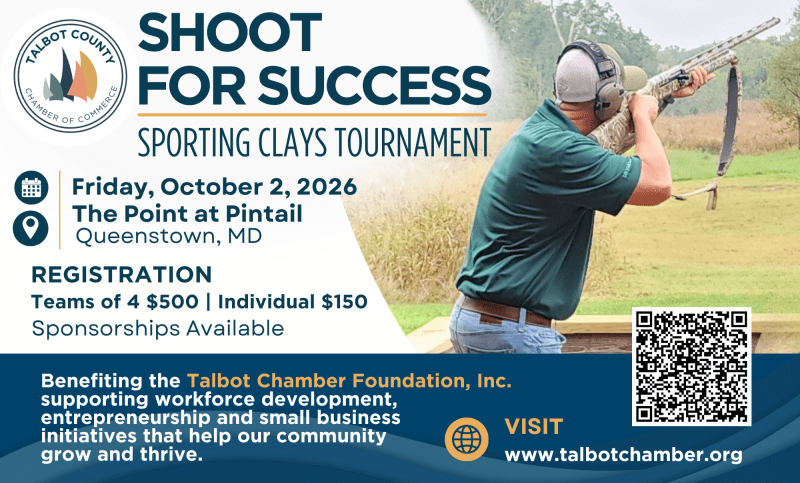
Join the Talbot County Chamber on Oct. 2, 2026, at The Point at Pintail for annual Shoot for Success Sporting Clays Tournament. Proceeds benefit the Talbot Chamber Foundation, Inc., initiatives that help strengthen the business community and talent pipeline.
Info
SHARE
PRINT